
Overcoming Motor Planning Difficulties in Kids
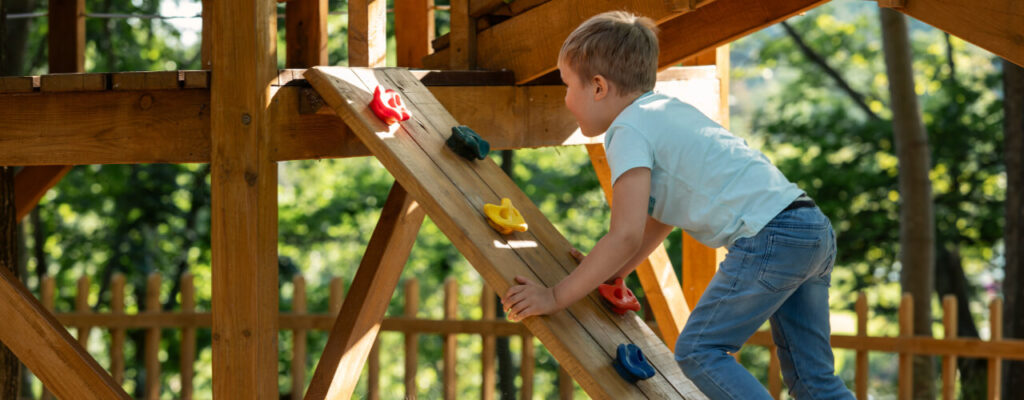
When 5-year-old Anthony (not his real name) first came to Riverbend Pediatric Therapy, everyday movement felt like a puzzle he couldn’t solve. He wanted to climb, run, and play like other kids, but his body didn’t cooperate. Tasks like hopping on one foot, pedaling a tricycle, or stepping over obstacles were overwhelming. After a full evaluation, the physical therapist diagnosed motor planning difficulties, a condition that affects the brain’s ability to plan and carry out coordinated physical movements. Anthony knew what he wanted his body to do, but the steps to get there felt disorganized and hard to follow.
Anthony’s parents had noticed for a while that he avoided climbing structures, seemed clumsy, and struggled to learn new physical skills. At home, he often got frustrated during play or needed extra time to complete simple movement tasks. His preschool teacher mentioned that he wasn’t keeping up with his peers during gym or free play. These concerns led his family to Riverbend Pediatric Therapy in search of answers and support.
Understanding Motor Planning Difficulties: Anthony’s Starting Point
Motor planning, also called praxis, involves thinking about a movement, organizing the steps, and executing it smoothly. Children with motor planning difficulties may seem uncoordinated, tire quickly, or avoid physical play, not because they’re disinterested, but because their brains have trouble creating the action plan their bodies need to follow.
For Anthony, the challenges included:
- Tripping frequently, especially on uneven surfaces
- Difficulty imitating actions like jumping jacks or animal walks
- Avoiding playground equipment and ride-on toys
- Becoming visibly upset when asked to try new movement activities
- Trouble following multistep physical directions
These issues made it hard for him to participate in group play and impacted his confidence.
The Turning Point: Pediatric Physical Therapy at Riverbend Pediatric Therapy
Anthony’s care plan focused on improving his ability to learn and carry out movement sequences. His physical therapist used structured, play-based activities that challenged his body while supporting his brain’s ability to process and organize those actions.
Therapy goals included:
- Improving core strength and balance to support foundational movements
- Teaching sequences of movement using visual, verbal, and tactile cues
- Practicing skills in consistent routines to build familiarity and confidence
- Introducing obstacle courses to work on transitioning between tasks
- Supporting sensory input to help with body awareness
Each session was built on the last. Repetition was key, but it was delivered through fun, engaging activities that kept Anthony motivated, like following a superhero obstacle course, navigating stepping stones, or playing follow-the-leader.
The therapist also worked closely with Anthony’s parents to create simple activities they could try at home. Practicing movement sequences in the living room, such as jumping, spinning, and sitting, helped reinforce what he learned in therapy.
Motor Planning Difficulties: From Confusion to Confidence
As the weeks went on, the changes were clear. In the beginning, Anthony hesitated at every transition. He often froze or needed multiple cues to move from one action to the next. By the eighth week of therapy, Anthony could complete a three-step obstacle course with minimal help, and he began looking forward to physical play instead of avoiding it.
The measurable improvements included:
- Successfully completing basic movement sequences on his own
- Gaining enough coordination to ride his tricycle around the block
- Playing with peers at recess without needing constant direction
- Following multi-step instructions in gym class without frustration
- Showing improved posture and endurance during physical activity
Rewriting the Story: Movement Without Fear
Helping children with motor planning difficulties takes more than strength training, it requires a deep understanding of how the brain and body work together. At Riverbend Pediatric Therapy, therapists use targeted strategies to help kids like Anthony gain control over their movements and rebuild their confidence.
By the end of his program, Anthony wasn’t just stronger, he was more willing to try. He no longer feared falling or failing, and he was more engaged at home, in school, and during play. His progress reflected not only physical improvements but also a shift in mindset: he believed in his ability to succeed.
Helping Your Child Take the Next Step
If your child shows signs of motor planning difficulties, frequent clumsiness, trouble learning new movements, or hesitation during physical play, there is support available. At Riverbend Pediatric Therapy, we provide evidence-based physical therapy designed to meet children where they are and guide them toward improved coordination, strength, and independence.
Early support makes a lasting difference. Contact Riverbend Pediatric Therapy today to schedule an evaluation and learn how we can help your child gain confidence, coordination, and the freedom to move with ease.