
Self-Regulation Techniques in ABA Therapy for Kids
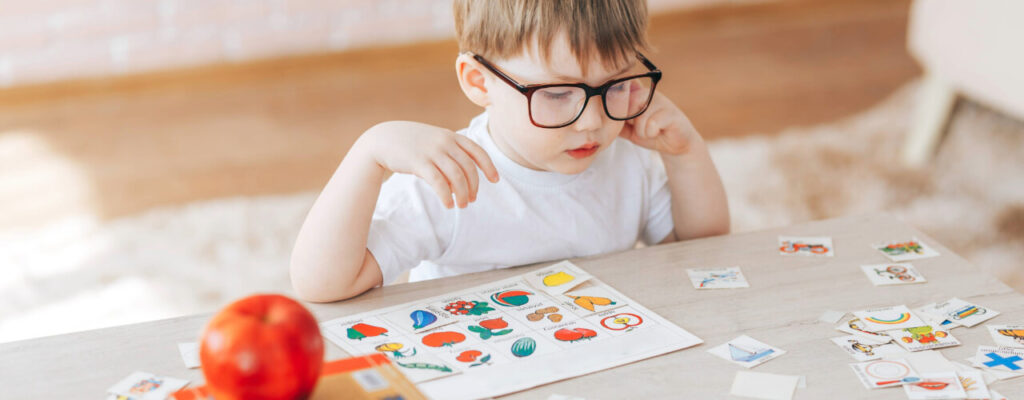
Helping children learn to manage their emotions and behaviors can be one of the most important steps in supporting their growth. Applied behavior analysis (ABA) at Riverbend Pediatric Therapy offers many effective tools to build these skills for children with developmental or behavioral challenges. In fact, one of our key focus areas is self-regulation techniques for kids.
ABA therapy uses positive reinforcement and other strategies to teach new skills and reduce behaviors that interfere with learning. It’s especially helpful for children with autism or ADHD, but many kids can benefit from its structured, goal-oriented techniques.
Self-regulation is a vital part of childhood development. ABA therapy provides specific, proven tools to help kids better understand and manage their emotions, behaviors, and reactions to the world around them.
What Is Self-Regulation and Why Does It Matter?
Self-regulation means appropriately managing your thoughts, emotions, and actions in different situations. For kids, this might mean staying calm when frustrated, waiting their turn, or asking for help when needed. It also includes recognizing one’s own feelings and understanding how to respond to them in a healthy way.
Children who struggle with self-regulation may:
- Have frequent meltdowns or outbursts
- Find it hard to shift between activities
- React strongly to minor changes or frustrations
- Have trouble calming themselves when upset
These challenges can make everyday tasks more difficult, from attending school to playing with friends. Teaching self-regulation techniques for kids can improve their confidence, relationships, and ability to succeed in everyday routines.
How ABA Therapy Builds Self-Regulation Skills
ABA therapy focuses on breaking down complex behaviors into manageable steps and reinforcing positive outcomes, making it an excellent option for teaching self-regulation techniques to kids. Our team uses several evidence-based strategies to help children gain better control over their responses. Here are some examples:
Visual Supports to Guide Behavior
Visual aids help children understand expectations and routines, which helps reduce anxiety during transitions and other stressful times. Examples of visual supports include:
- Picture schedules to show what’s happening next
- Emotion charts to label feelings
- “First-Then” boards to promote following directions
Functional Communication Training
Sometimes, challenging behaviors happen because a child doesn’t have the words to express their needs. Functional communication training teaches children how to communicate effectively instead of acting out, reducing frustration and improving behavior regulation. Some strategies we might use include:
- Using simple phrases to ask for help
- Learning signs or using picture cards to express needs
- Practicing new ways to request a break or change
Reinforcement for Calm Responses
Positive reinforcement encourages children to use self-regulation skills consistently. We especially focus on reinforcing the process of staying regulated, not just the outcome, as this helps kids understand that effort matters. Some examples of positive reinforcement include:
- Praising a child for using breathing exercises
- Rewarding calm behavior during a tough moment
- Using token systems for meeting daily goals
Teaching Coping Skills Through Play
We want therapy to be enjoyable for our kids, so we regularly use play to teach and practice self-regulation techniques. We select fun activities that support the development of emotional control in real-life situations, mimicking how kids naturally learn. Activities may include:
- Turn-taking games to practice waiting
- Role-playing to explore different emotions
- Movement breaks to release energy safely
Supporting Your Child’s Growth with ABA Therapy
Self-regulation isn’t something kids just “figure out.” It takes guidance, practice, and consistent support. ABA therapy provides structure and tools grounded in peer-reviewed research to help children develop lifelong emotional and behavioral skills.
At Riverbend Pediatric Therapy, our team uses individualized ABA programs with effective self-regulation techniques for kids. Whether your child is learning to manage big emotions, communicate better, or navigate social situations, we’re here to help them thrive.
Want to learn more about how ABA therapy can support your child’s self-regulation skills? Contact our Covington,LA clinic today to schedule an appointment.